
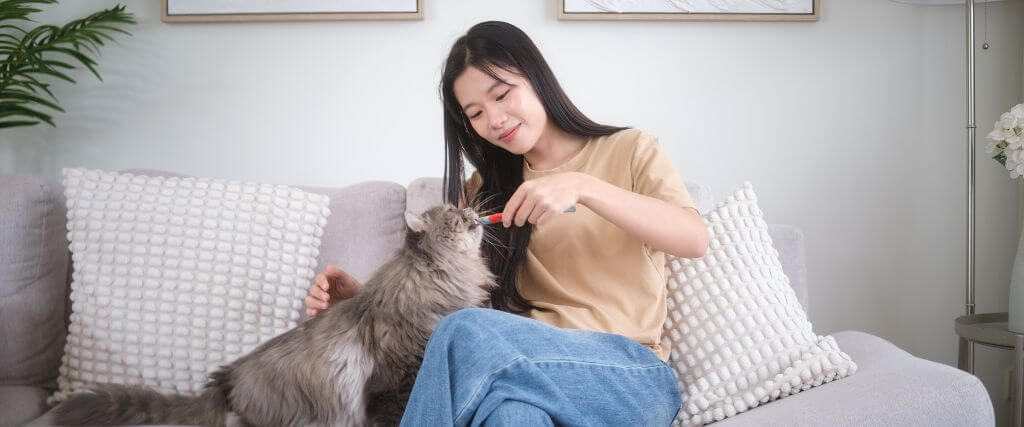
Cats have a reputation for being mysterious, but they are not nearly as unreadable as they seem. If you have ever wondered how to tell if a cat is happy, the answer usually comes from patterns rather than one dramatic sign. A content cat tends to show comfort through normal routines, relaxed body language, steady grooming, healthy elimination habits, and a willingness to engage with the people and spaces they trust.
That said, happiness in cats is not the same as constant affection or nonstop play. Some cats are social and expressive, while others are quiet and more independent. The goal is not to compare your cat to someone else’s. It is to recognize the signs of a happy cat in the context of that individual cat’s usual behavior and to notice when something changes.
Relaxed Body Language Is One of the Clearest Signs of a Happy Cat
Body language is often the easiest place to start. A happy, comfortable cat usually looks loose rather than tense. The ears are typically forward or neutral, the whiskers are relaxed, and the body posture looks soft instead of crouched or ready to bolt. When a cat approaches you with the tail held upright, that is often a friendly, confident greeting rather than a guarded one.
Many cats also show contentment through behaviors such as rubbing against you, head bunting, kneading, or choosing to rest nearby. Purring can also be a sign for some cats, although it is not a perfect measure of happiness on its own because some cats also purr when stressed or in pain. In general, the most reliable clue is the full combination of signals: soft posture, calm movement, interest in the environment, and a willingness to interact on their own terms.
Healthy Daily Habits Often Reflect Emotional Well-being
One of the most practical ways to tell if a cat is happy is to look at their everyday habits. Cats that feel comfortable in their environment usually eat consistently, drink normally, sleep in preferred spots, and follow familiar routines. They may still enjoy long naps and plenty of quiet time, but they also tend to move through the home with confidence rather than acting watchful, withdrawn, or unsettled.
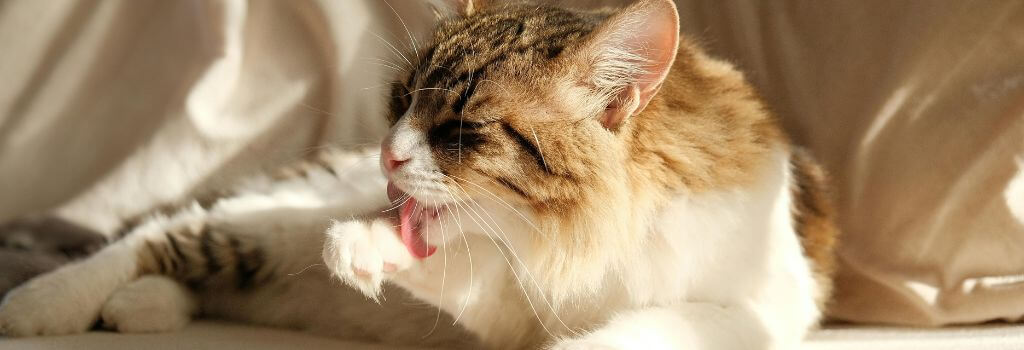
Grooming is another useful sign. Cats are naturally fastidious animals, and normal self-care is part of healthy feline behavior. Cornell Feline Health Center notes that cats typically spend about 30% to 50% of their day grooming, which helps explain why a major change in coat care can be a meaningful sign that something is off. A cat that suddenly stops grooming, develops a greasy or matted coat, or begins excessive licking deserves a closer look because pain, stress, skin disease, or other medical problems may be involved.
Litter Box Habits Can Reveal Both Comfort and Stress
Reliable litter box use is one of the more overlooked signs of a happy cat. Cats that feel physically well and secure in their environment are generally more likely to use an appropriate, accessible litter box consistently. When a cat starts urinating or defecating outside the box, it should not be dismissed as spite or stubbornness. Changes in litter box habits can be linked to stress, dislike of the box setup, conflict with another pet, or an underlying medical issue.
The setup of a cat's litter box matters more than many people realize. Cats tend to prefer clean boxes in quiet, low-traffic areas where they can enter, exit, and move around comfortably. In multi-cat homes, crowding around one litter box can create tension, so having multiple litter boxes around the house can help your cats feel more comfortable and at ease. A cat that feels ambushed, rushed, or uneasy in the litter box area may avoid it. That is why normal elimination habits are not just a housekeeping issue, but rather, part of the bigger picture of feline comfort and well-being.
Simple Litter Box Details That Support a Content Cat
- Provide enough boxes for the household, ideally one per cat plus one extra
- Keep boxes clean with frequent scooping and regular litter changes
- Place boxes in quiet, easy-to-reach locations
- Choose a box size that lets your cat turn around comfortably
- Pay attention if your cat suddenly avoids the box or seems uncomfortable using it
A Happy Cat Usually Shows Interest in the Environment
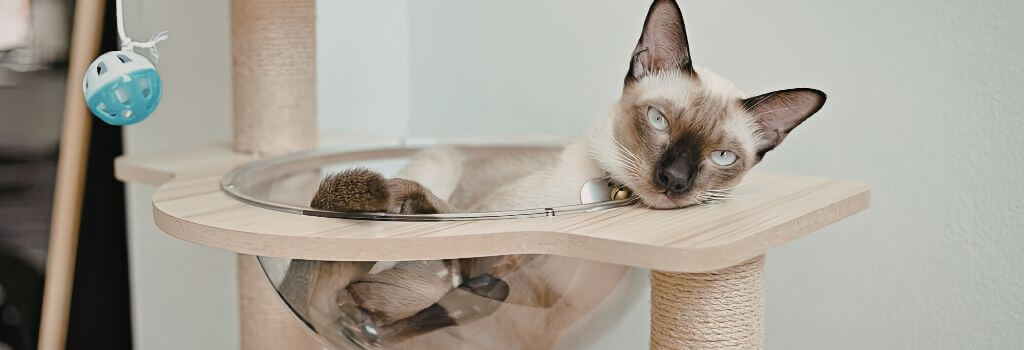
Another way to tell if a cat is happy is to watch how your cat uses the home and interacts with things in their environment. Cats do best when they have opportunities to perform normal feline behaviors such as climbing, scratching, hiding, resting up high, watching outdoors, exploring, and playing. A cat that seeks out favorite perches, uses scratching surfaces, investigates new objects, and has predictable rest areas is often showing that they feel safe enough to engage with the space around them.
This is especially important for indoor cats. Environmental enrichment should not be treated as a luxury for cats, but, instead, as good preventive care. When the home provides choice and control, many cats appear more settled and confident. Windows, vertical spaces, hiding spots, puzzle feeders, scratching posts, and short play sessions can all support mental stimulation and keep your cat happier. A cat that never plays, never explores, or spends most of the day hiding may not be simply “lazy.” That can be a sign that the environment or the cat’s health needs a closer review.
Content Cats Keep Doing the Things They Enjoy
Some of the clearest signs of a happy cat are personal. One cat may love greeting family members at the door, while another prefers sitting nearby and blinking slowly from the couch. Some cats are playful well into adulthood. Others are happiest with predictable routines, cozy resting places, and quiet companionship. A happy cat is not necessarily the most outgoing cat in the room. It is a cat who is comfortable enough to keep doing the things that matter to them.
That is why changes matter so much. If your cat used to sleep in your bed but now hides under furniture, used to jump onto a perch but now avoids it, or used to groom well but now looks unkempt, these could all be subtle signs that something isn't quite right and your cat may be feeling stressed, scared, or in pain. Cats are very good at masking discomfort, and behavior changes may be the first clue that something physical or emotional is wrong. Happiness in cats is often easiest to recognize when normal routines stay steady.
When a Healthy Cat Still Needs a Veterinary Check
Even when the goal is simply identifying signs of a happy cat, it is important to remember that wellness and behavior are closely connected. A cat may seem less social, less playful, or less tidy because of arthritis, dental pain, urinary disease, digestive issues, skin conditions, or stress. That is one reason regular veterinary visits are so valuable for cats of every age.
If you notice litter box changes, overgrooming, loss of grooming, hiding, appetite changes, reduced activity, irritability, or a sudden shift in social behavior, do not assume your cat is just having a bad week. A veterinary exam can help determine whether there is an underlying health problem, a stress-related issue, or an environmental factor that needs to be addressed. In many cases, supporting a cat’s happiness starts with protecting their health and making home life feel safe, predictable, and enriching.
If you have questions, we would love to answer them for you. Please give us a call at the office at (830) 626-2582, or you can email us at [email protected]. Our staff would love to talk with you!
Don't forget to follow us on social media Facebook, Instagram.